When it comes to artificial intelligence, we are very much at the beginning stages of development. Most of the tools have a lot of bugs in them and the results can be anywhere from almost real to catastrophically bad.
Still, it’s already possible to create very believable videos of real people doing things they never did. For very public evidence, watch the first episode of the current season of South Park. The artists behind that show demonstrated in wicked fashion that deepfakes can look very accurate.1
Obvious satire is one thing. And the rich and famous have plenty of legal help if things go too far. But how does the average, non-famous person defend against their likeness being hijacked for criminal purposes?
The Danish Culture Minister has an idea: copyright yourself.
The answer, like the Danish government has done, is to include personal likeness in copyright law. The proposal establishes legal definitions for unauthorized digital reproductions, specifically targeting “very realistic digital representation of a person, including their appearance and voice.” The Danish administration intends to introduce the legislative proposal for public input ahead of the summer parliamentary break, with formal submission planned for autumn.
Under the revised copyright framework, Danish citizens would gain legal authority to request removal of nonconsensual deepfake content from digital platforms. The legislation extends protection to cover unauthorized artificial recreations of artistic performances, with potential financial remedies for victims. Creative works such as parody and satirical content remain exempt from these restrictions.
While this sounds like a pretty radical jump for copyright and trademark law, the writer points out we already have something similar here in the US.
If imposing heavy penalties on any social network or video service that hosts a copyrighted work sounds familiar, that’s because it is how the Digital Millennium Copyright Act (DMCA) works in the United States. Under U.S. copyright law and similar systems globally, copyright protection is granted exclusively to original creative works fixed in a tangible form, such as writings, music, artwork, software, films, or photographs. Crucially, copyright law explicitly excludes protection for abstract concepts like ideas, facts, systems, methods, or short phrases, which may fall under trademark law but can’t be copyrighted. Most importantly, it does not extend to fundamental aspects of an individual’s identity, including their likeness, voice, or persona.
So, why not extend copyright to include those fundamental aspects of a person’s identity?
It’s an interesting and unique proposal, and I’m sure there are plenty of issues that legal types throw out to derail any plans like this in the US.
To me, Denmark’s idea to copyright it’s citizens is worthy of consideration in this country.
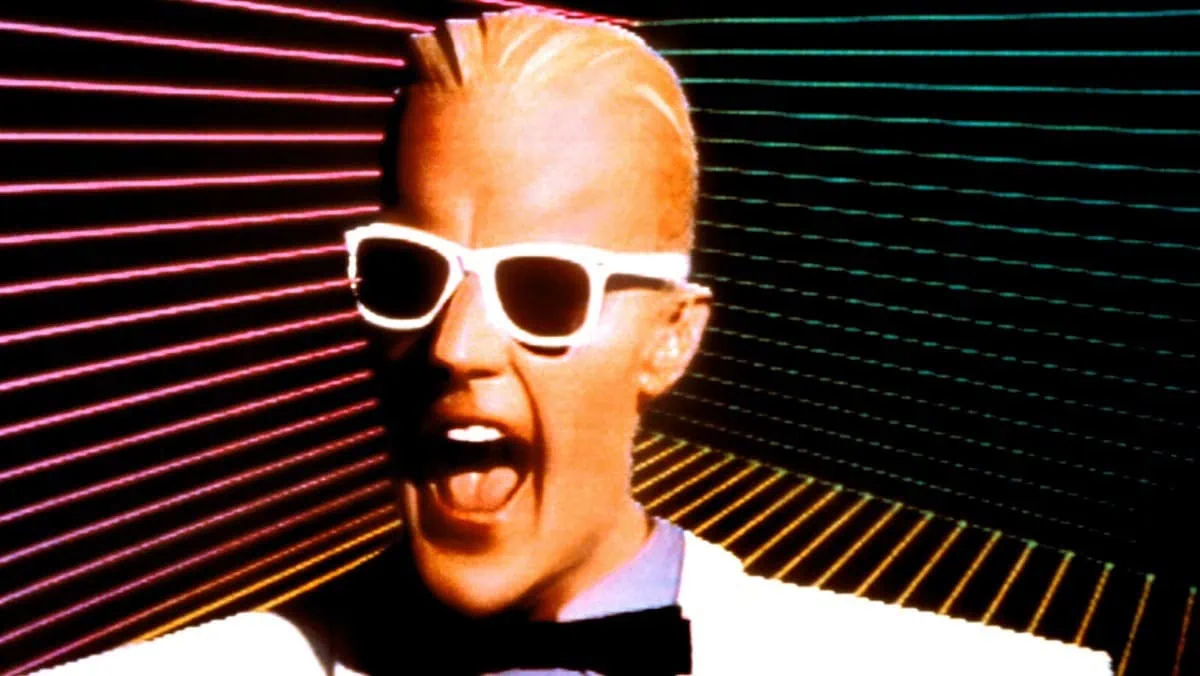
When it comes to replicating humans with artificial intelligence, we’ve come a long way from Max Headroom in the 80’s. Look him up, kiddies.
1. I’m not going to link to the video on YouTube. You can find it easily but you may want to use an anonymous account so the algorithm doesn’t flood your stream with not-so-funny stuff.